
Small, portable, and easy to play, this instrument with plucked tines appeals to children with its gentle sound and simplicity. It gives a child an immediate introduction to music, with no need to read music.
Compact sizes, colorful designs, and miniature versions spark curiosity. Choosing the right number of tines and material—wood or acrylic—helps set an appropriate level of difficulty. The right choice prevents frustration or boredom and supports musical progress.
Accessories such as a case, tuning hammer, and stickers protect the instrument and make visual learning easier. To compare options and find model ideas, read our guide to choosing a kalimba for a child.
Why choose this instrument for a child today?
Easy to handle, it turns short periods of play into little music lessons. With 10 to 15 minutes a day, young children improve their coordination between their eyes, hands, and thumbs. This brief routine encourages intuitive learning without reading music.
Specialist sources report rapid progress in remembering short melodies and concentrating. These positive effects support motor and cognitive development, which can also help with writing and paying attention at school.
“Parents notice better attention and visible progress within a few weeks.”
- Accessibility: compact size, reasonable price, simple maintenance.
- Educational benefits: motor skills, memory, confidence.
- Experience: regular sessions that reduce frustration and make playing more enjoyable.
Start with free play, add simple rhythmic patterns, then play familiar tunes. Setting small weekly goals helps children see their progress and stay motivated.
Children and adults: adapting the model to a young player’s development
Success depends on finding the right balance between challenge and ease. An instrument that is too complex can quickly discourage a child. One that is too simple can become boring. Watching their attention span and how carefully they handle their belongings helps you make the right choice.
Motor skills and hand size affect how the instrument is used. Models without a sound box are often slimmer and sturdier, making them easier for small hands to hold. Look for rounded edges and a suitable thickness for a secure grip.
Motivation, attention, and frustration: adjusting the difficulty
Start with fewer tines to make playing easier. Use stickers to limit which notes are played. Then increase the complexity step by step.
Grip, hand size, and sometimes impulsive behavior
If the child is impulsive, choose a sturdy model that can withstand knocks. Pick an appealing design to maintain their motivation and give them small goals.
“It is better to start with a simple instrument that brings quick success, then progress according to the child’s attention span and confidence.”
- Observe: is the child calm or easily discouraged?
- Adapt: choose the number of tines according to age and hand size.
- Prevent damage: prioritize rounded edges and sturdy construction.
| Criterion | Child with small hands | Adult |
|---|---|---|
| Number of tines | 5 to 9 to start | 10 to 17 for a wider repertoire |
| Durability | A priority: sturdy materials | Less decisive |
| Ergonomics | Rounded edges, secure grip | Comfort for longer sessions |
| Use | Short daily sessions | Longer practice sessions possible |
For ideas about musical toys suited to early childhood, see our selection. It will help you compare the options and refine your choice.
Age, number of tines, and learning progression
Matching the number of tines to the child’s age makes learning easier and sustains motivation. A gradual approach helps young children succeed quickly before moving on to more complex exercises.
Ages 3 to 5: miniature models with 5 to 8 tines
For children aged 3 to 5, choose very simple instruments with 5 to 8 tines. They are lightweight, easy to hold, and ideal for discovering sounds.
Benefit: children can master their first rhythmic patterns quickly without feeling overwhelmed.
Ages 6 to 10: a balance of 8 to 10 tines
For ages 6 to 10, an instrument with 8 to 10 tines offers a good balance. Children can play more familiar melodies while the difficulty remains manageable.
Note: at around age 10, 10 keys often provide the best balance between challenge and enjoyment.
Preteens and teenagers: a wider range with 15 to 17 tines
For preteens and teenagers, choose 15 to 17 tines. A wider range lets them play richer arrangements and learn simple harmonies.
A trade-off to consider: fewer tines make learning faster, but some melodies are difficult to play. More tines offer greater melodic possibilities, but progress takes more effort.
- Rule of thumb: match the number of tines to the child’s age and learning pace.
- Suggested progression: start simply, then increase the complexity once the child remembers tunes and keeps a steady rhythm.
- Check the range: make sure the model has the notes needed to play the songs the child wants to learn.
To learn more about choosing a model according to age and progress, read our practical guide: choosing by age.
With or without a sound box: effects on sound, durability, and use
Whether the instrument has a sound box makes a noticeable difference to its sound and how it feels to hold.
With a sound box: the soundboard and cavity provide greater volume and better projection. This fuller sound is useful when playing in a small group or across a room. The box can, however, be fragile: pressure, a fall, or an object placed on top may crack the cavity.
Without a sound box: the solid body is slimmer and sturdier. It is often easier for small hands to grip, simpler to maintain, and produces a more direct, precise sound. A model without a sound box has less fullness but greater clarity for focused practice.
Practical advice
- For younger children who are not yet careful with their belongings, choose a model without a sound box to reduce the risk of breakage.
- If the child handles their belongings carefully, either option can work, depending on how they will use it.
- Check the quality of the materials and assembly to avoid unwanted vibrations and tuning problems.
“Put comfort and durability first; sound projection comes next.”
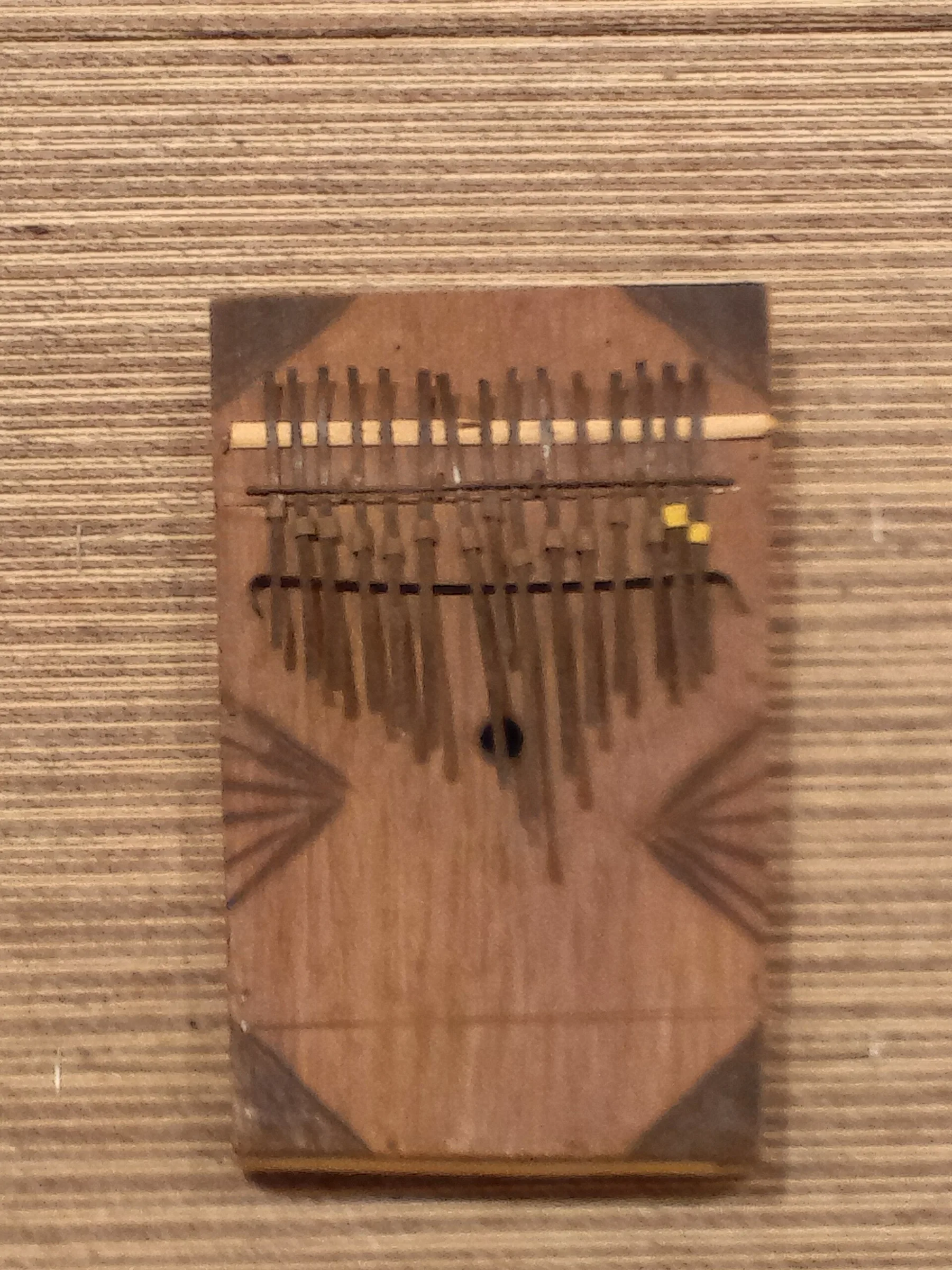
To refine your choice according to age and intended use, see our dedicated page: which instrument to choose.
Wood or acrylic: sound, durability, and care
The choice of material affects both the instrument’s tone and its durability. Wood and acrylic also differ in weight and the care they require.
Solid wood: mahogany and bamboo
Wood offers warm, organic resonance. Its vibrations produce a fuller sound that is valued in Montessori approaches.
Benefits: a pleasant feel, a sense of quality, and a stronger connection to the instrument.
Wood does require gentle care: wipe it with a dry cloth, apply oil occasionally, and protect it from moisture.
Acrylic: modern design and easy care
Acrylic produces a clear, brighter, and sometimes more direct tone. Its transparent appearance appeals to young players.
It is easy to clean. However, it scratches more easily and can be heavier to hold.
“Choose wood for its warm sound; choose acrylic for its appearance and ease of care.”
| Criterion | Solid wood | Acrylic |
|---|---|---|
| Sound | Warm, full | Clear, bright |
| Care | Gentle care; protect from moisture | Easy to clean; watch for scratches |
| Weight | Often light | Can be heavier |
| Durability | Good with proper care | Resistant to minor knocks |
To check which feels and sounds better to the child, let them try two models if possible. To compare the options and their quality, see our selection of leading brands: guide to the best brands.
Kalimbas for children: fun and educational models
Many miniature models are ready to play and are often sold as kits with a case, tuning hammer, and stickers. These compact instruments are designed for small hands and make it easy to get started.
Miniature models for small hands
Compact models: lightweight, easy to hold, and ideal for short sessions. Complete kits let children start playing as soon as they open the box. Check for a sturdy case and a short beginner’s booklet.
Animal-shaped and illustrated designs
Animal-shaped models and illustrated designs spark interest and curiosity. A design the child likes encourages more frequent playing, which helps them progress faster.
Colorful models with stickers
Colorful models with numbered tines and stickers make it easier to find notes without knowing music theory. One way to progress is to begin with two or three simple melodies, then use a few more tines as the child gains confidence.
| Feature | Benefit | What to check |
|---|---|---|
| Complete kit | Ready to use immediately | Case, tuner, booklet |
| Animal design | Greater motivation | Safe finish, rounded edges |
| Numbered stickers | Visual learning | Clear, durable stickers |
Practical tip: for buying advice tailored to children, see our page on choosing a model for a child.
Useful accessories and ways to learn without reading music
A few well-chosen accessories make each session easier for children learning without reading music. They protect the instrument, help children find notes, and make playing more accessible.
Essentials: a case, tuning hammer, and numbered stickers
A hard or padded case protects the instrument. A reliable tuning hammer helps keep it in tune. Clear stickers make it easier to find notes and begin playing.
First melodies and illustrated tablature
Start with short tunes such as “Au clair de la lune” or “Happy Birthday.” Illustrated tablature links colors, positions, and sounds to help children progress.
For richer arrangements, see our sheet music for 17 tines.
Short, playful sessions: 10 to 15 minutes a day
Set one simple goal for each session: a pattern or a section of a tune. Ten to fifteen minutes a day can improve coordination and memory without pushing too hard.
“Short, regular practice matters more than occasional long sessions.”
- Method: imitation, colors, then illustrated tablature.
- Good habits: check the tuning each week, clean the instrument, and adjust the stickers if needed.
- Games: guess a melody, invent the end of a tune, or play a duet to strengthen motivation.
Budget, quality, and buying mistakes to avoid
Setting a realistic budget makes it easier to choose a reliable beginner instrument. Allow between €35 and €75, depending on whether accessories such as a case, hammer, and stickers are included.
Common mistakes: choosing too many tines makes learning harder. Overlooking durability increases the risk of tuning problems and breakage. Be wary of cheap counterfeits that compromise on quality.
Signs of quality to check
- evenly made tines that hold their tuning;
- neat finishing and rounded edges;
- a complete set of accessories and a protective case.
Recommended models
Models often appreciated for children include the Gecko GK-10 Junior, Hluru HK-08, and Meinl KDE-1. These options offer suitable ergonomics, accessories, and learning features.
| Criterion | Why it matters | What to check |
|---|---|---|
| Price: €35 to €75 | A good balance of quality and included equipment | Compare the included accessories |
| Durability | Reduces the risk of breakage and tuning problems | Materials, joints, screws |
| Number of tines | Suited to the child’s age and progress | 5 to 10, depending on age |
“Involving a child in the choice encourages them to play every day.”
For a more confident purchase and a rewarding musical experience, read our full guide and, if possible, handle two or three models before giving a child a kalimba.
Conclusion
In summary: choose the number of tines, the size, and the basic accessories according to the age at which the child starts playing the kalimba. Look for a model that is easy to hold, with or without a sound box depending on the resonance you want.
Wood provides a warm sound that can appeal to young children; acrylic offers easy care and a modern design. Short sessions, simple tablature, and trying two or three instruments, such as the Gecko GK-10 Junior, Hluru HK-08, and Meinl KDE-1, help you assess the sound, grip, and response of the notes.
One last tip: read our full guide, choose an appropriate instrument to establish a lasting musical habit, and begin with easy melodies.