Your ultimate guide to music festivals
Dive into summer with Summer Sound. Explore the most talked-about music festivals, discover today’s artists and make unforgettable memories.

Who are we?
Our passion for music began in 2010 and took shape as Summer Sound in 2012. Since then, our energetic team has traveled to festivals, capturing their spirit at Coachella in 2014 and Glastonbury in 2018. In 2020, despite the challenges, our commitment to music remained strong, and we expanded our online coverage. In 2022, we launched our interactive platform, connecting fans around the world.
Today, with more than a decade of experience, Summer Sound remains an essential voice for festival lovers, bringing together rhythms, cultures and the emotions of summer.
What are the different types of music festivals?
Music festivals play an essential role in cultural life around the world. They offer varied musical experiences to fans from all walks of life. Here is an overview of the different types of music festivals:
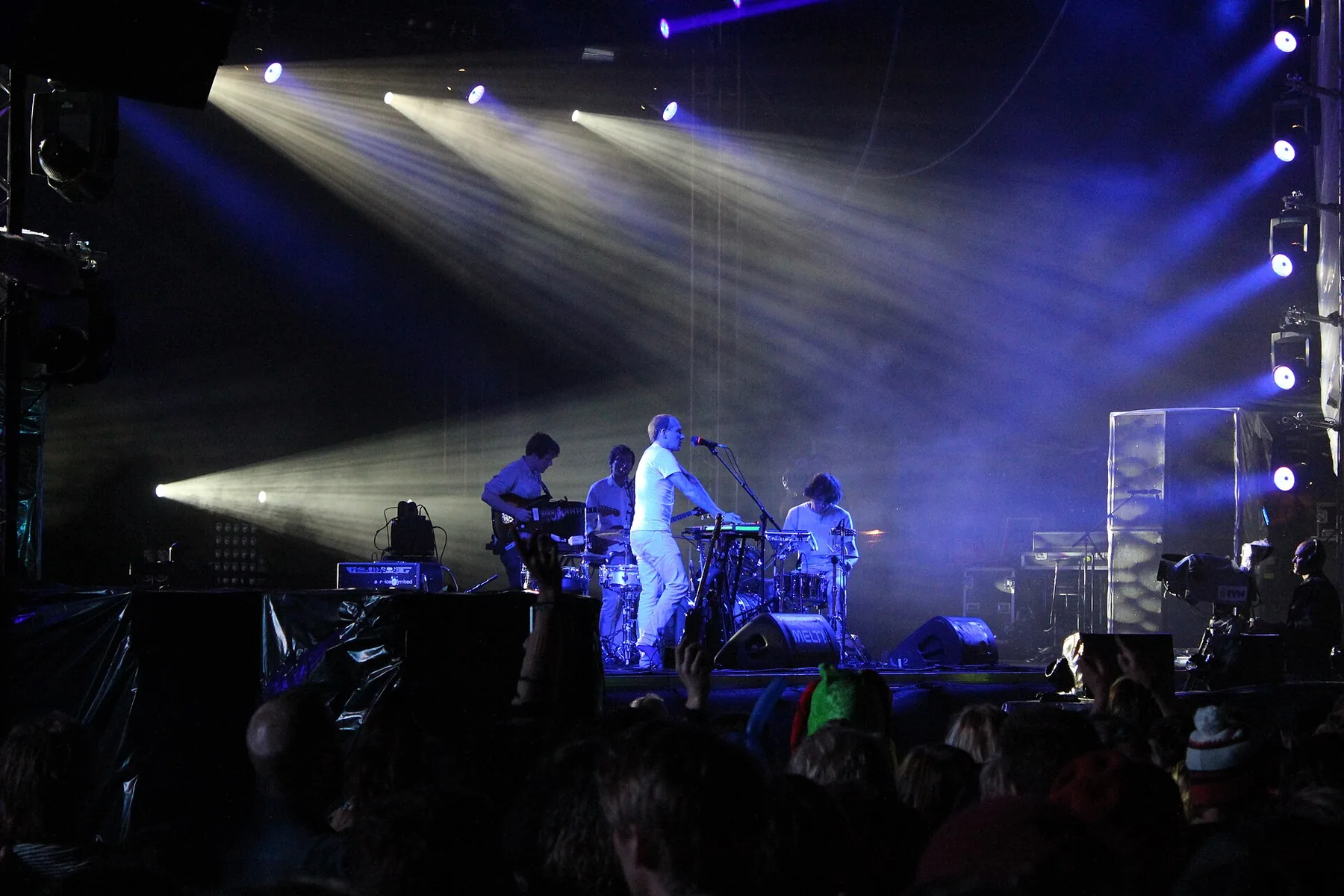
- Popular music festivals: These festivals often feature popular genres such as rock, pop, hip-hop, R&B and electronic music. Iconic festivals such as Coachella in California and Glastonbury in the United Kingdom attract thousands of fans every year.
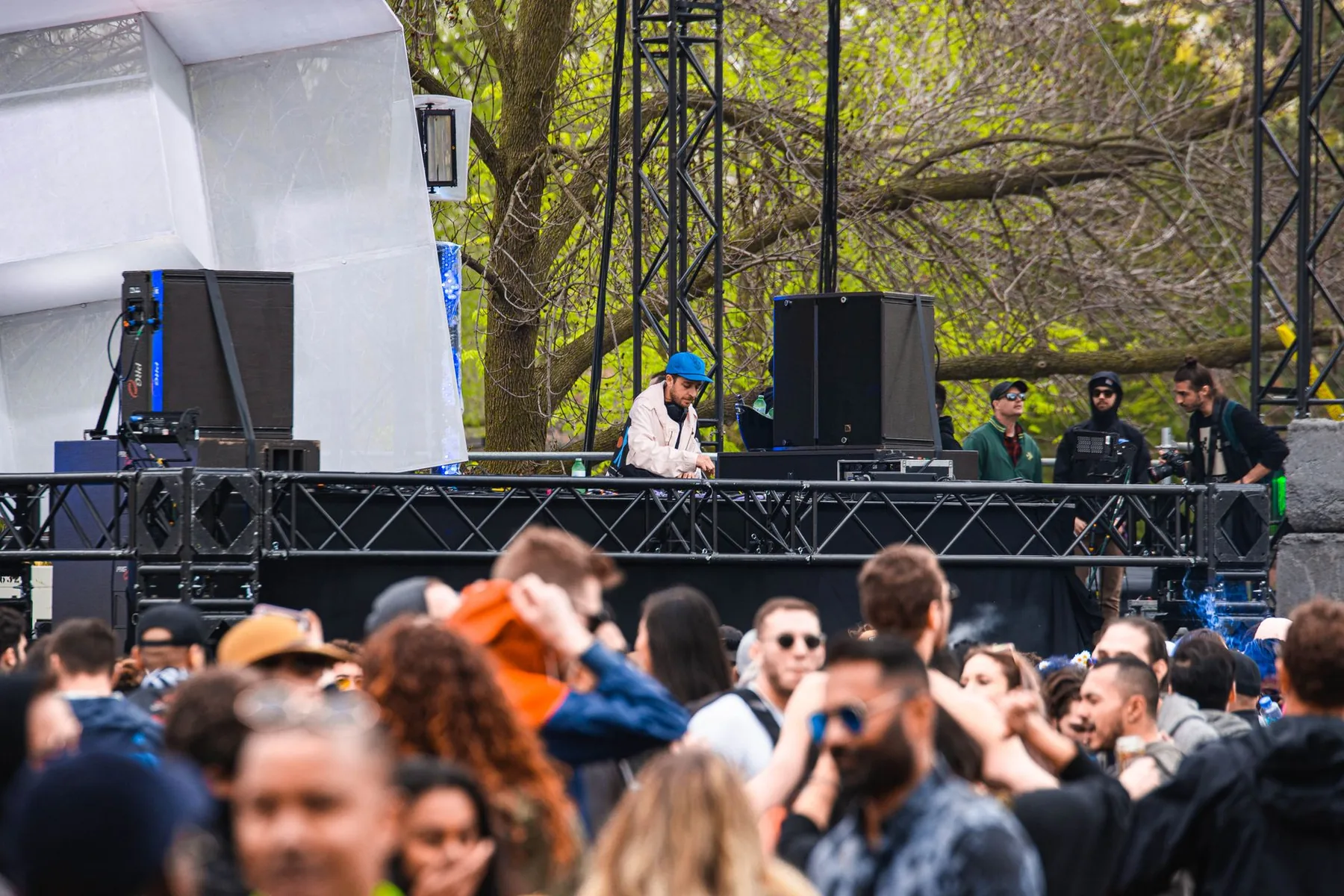
- Electronic music festivals: These events showcase DJs and electronic music artists, including performers of techno, house, trance and other subgenres. Renowned festivals such as Tomorrowland in Belgium and Ultra Music Festival in Miami are popular destinations for electronic music fans from around the world.
- Folk music festivals: These festivals celebrate traditional and folk music, often alongside other art forms such as dance, crafts and traditional cuisine. The Newport Folk Festival in the United States and the Cambridge Folk Festival in the United Kingdom are among the oldest and most respected.
- Classical music festivals: These festivals showcase classical music, from orchestral works to piano recitals and operas. Prestigious events such as the Salzburg Festival in Austria and the BBC Proms in London are must-attend occasions for classical music lovers.
- World music festivals: These festivals celebrate musical diversity by featuring artists and genres from different cultures and traditions. WOMAD and Festival Mundial in the Netherlands are examples of festivals devoted to world music.
Music festivals thus offer a variety of styles, cultures and experiences that reflect the richness and diversity of the global music scene. Each festival has its own character and attracts a particular audience, helping to enrich the musical and cultural landscape worldwide.
What is the economic and cultural importance of music festivals?
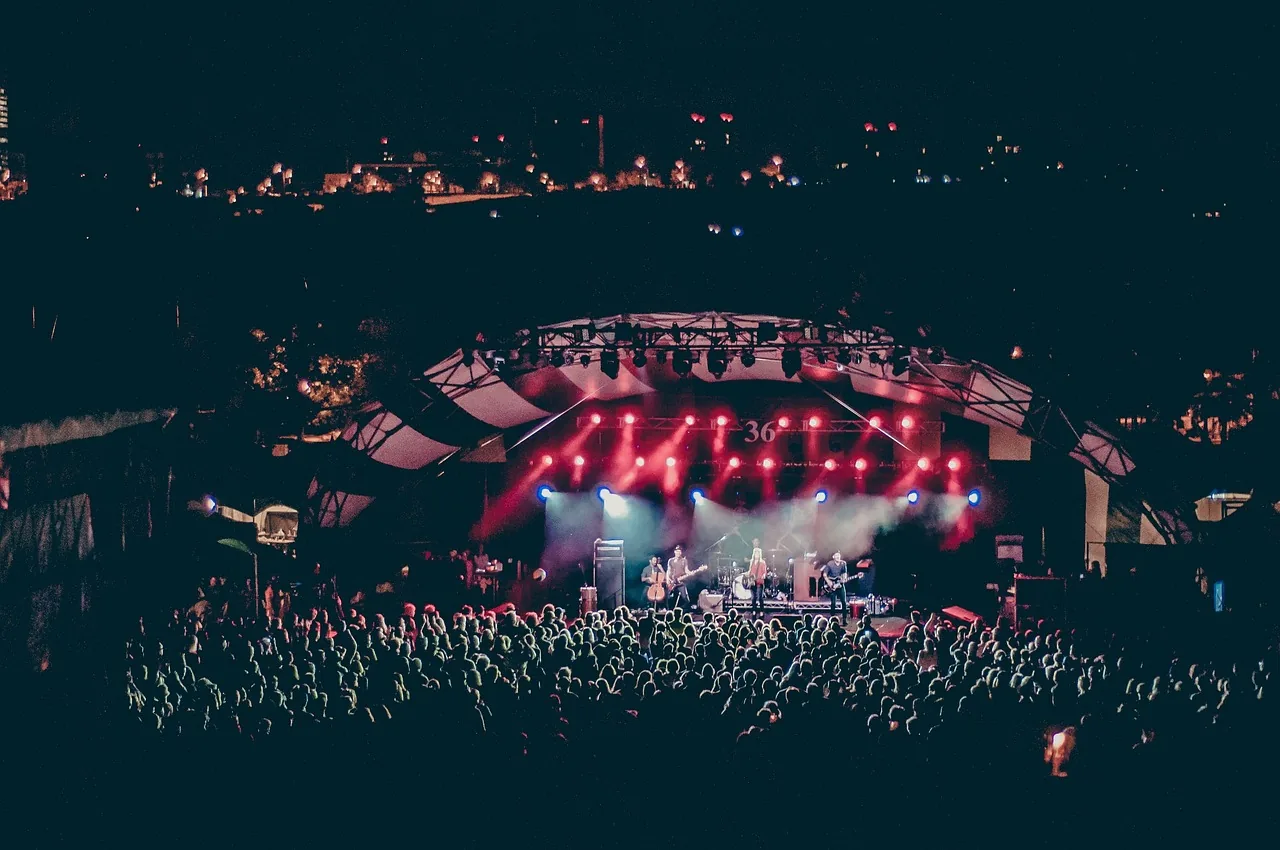
Music festivals play a crucial role economically and culturally. They have a significant impact on local communities and cultural life around the world.
Economically, music festivals bring substantial benefits to the regions that host them. They often attract large numbers of visitors, boosting accommodation, restaurants, transport and local businesses. Organizers also hire staff for logistics, security and event management, creating temporary jobs and economic opportunities for the local community.
Music festivals also encourage cultural tourism by attracting visitors from within the country and abroad. Cities that host world-renowned festivals gain visibility and strengthen their reputation as appealing cultural destinations.
Culturally, music festivals help promote diverse cultures and forms of artistic expression. They provide a platform for emerging and independent artists, as well as less conventional musical genres that do not always find a place in mainstream venues.
Music festivals also foster cultural exchange by bringing together people from different backgrounds and encouraging dialogue between cultures. They create spaces where attendees can share experiences, ideas and values, strengthening social ties and community cohesion.
In addition, music festivals help shape a region’s cultural identity and preserve its musical heritage. They celebrate local and regional musical traditions while encouraging innovation and artistic experimentation.
Music festivals are therefore much more than entertainment. As economic drivers and cultural catalysts, they enrich local communities, stimulate tourism and promote artistic and cultural diversity worldwide.
How do music festivals help promote new artists?
Music festivals play a crucial role in promoting and supporting new artists. They offer a unique opportunity to become known and develop their artistic practice.
First, music festivals give new artists the chance to perform before large audiences. These events often draw thousands or even tens of thousands of spectators, allowing emerging artists to reach a diverse audience that may be larger than they could reach in other settings.
Music festivals also allow new artists to share the stage with established, well-known performers. Appearing on the lineup alongside headliners can increase their credibility and visibility, and may open the door to future collaborations or professional opportunities.
Music festivals are also places where music industry professionals, such as agents, producers, record labels and the media, discover talent. These professionals often look for new artists at festivals, which can lead to representation, recording opportunities or media coverage for emerging performers.
Music festivals can also give new artists room to experiment and innovate. Some offer stages or programs dedicated to emerging artists, where they can present their work in a supportive, collaborative environment.
In addition, music festivals often serve as a springboard to other performance opportunities, such as national or international tours, residencies at clubs or concert venues, and appearances on television or at larger festivals.
In short, music festivals play an essential role in promoting and developing new artists. They provide visibility, opportunities to collaborate, chances to be discovered by industry professionals and space for artistic exploration. In doing so, they contribute to the vitality and diversity of today’s music scene.