
Learning Sweden starts with choosing a good instrument and tuning it appropriately. This step-by-step guide explains why a 21-tine model is recommended and how to retune C to C# and F to F# to reproduce the original key of B minor.
C418 (Daniel Rosenfeld)’s minimalist music on the album “Minecraft – Volume Alpha” creates a soothing atmosphere. This soundscape suits the warm tone of a thumb piano beautifully and makes the piece approachable to play.
You can find free PDF sheet music and tablature to practise at home. The suggested path takes you from identifying the tines and reading simple numbers to following vertical tablature.
Goal: play the iconic melody faithfully, improve step by step and enjoy yourself with the help of clear sheet music.
Why play Minecraft on a thumb piano today?
Playing on a small thumb piano turns listening into a hands-on experience. This intimate instrument brings out the purity of the harmonies and the pauses between notes.
The minimalist charm lies in both simplicity and the space left for silence. Composer C418 (Daniel Rosenfeld) created a track on Volume Alpha that has become a classic: “Sweden.” His music works beautifully on an instrument that rewards touch and nuance.
The minimalist charm of the melodies
In a crowded digital world, a stripped-back song offers a pause in life. Playing a familiar tune turns a memory of the game into a real musical experience.
“Self-taught and attentive to sonic textures, C418 created soundscapes that breathe.”
- The simple structure makes the piece quick to learn.
- Repeating the motifs helps you work on tempo and touch.
- Comparing the original with your performance sharpens your ear.
To get started, consult the sheet music and tablature for Sweden.
| Feature | Benefit | Effect on performance |
|---|---|---|
| Percussive tone | Clear notes | Better articulation |
| Limited number of tines | Focus on the essentials | Rapid progress |
| Intimate sound | Relaxed performance | Easy to share at home |
Essentials before you start: instrument, tuning and reading sheet music
A good result depends first on accurate tuning and a suitable model. Aim for a setup compatible with Sweden’s key of B minor by changing every C to C# and every F to F# on your instrument.
Tuning for Sweden: getting a setup compatible with B minor
The goal is to reproduce the sound of the piece in B minor. Use a tuning hammer or a chromatic tuner (a mobile app will do) and work through the tines one by one.
- Tune each note, checking its pitch with the tuner.
- Change C and F to C# and F# to avoid wrong notes.
- After tuning, play simple intervals and listen for beats.
Changing C and F on a 21-tine model
Why 21 keys? The 21 tines include four extra low notes in the centre that are essential for certain phrases. A 17-tine model is limited when playing more demanding arrangements.
Method: adjust each tine by gently pulling or pushing it until the tuner shows the desired note.
Reading sheet music and tablature: numbers, letters and markers
You can read the music as numbers (tine numbers) or letters (note names). Vertical tablature is read from bottom to top, making it easier to see the flow of the melody and how the thumbs alternate.
Print the sheet music and tablature so you can mark fingerings, dynamics and tine positions.
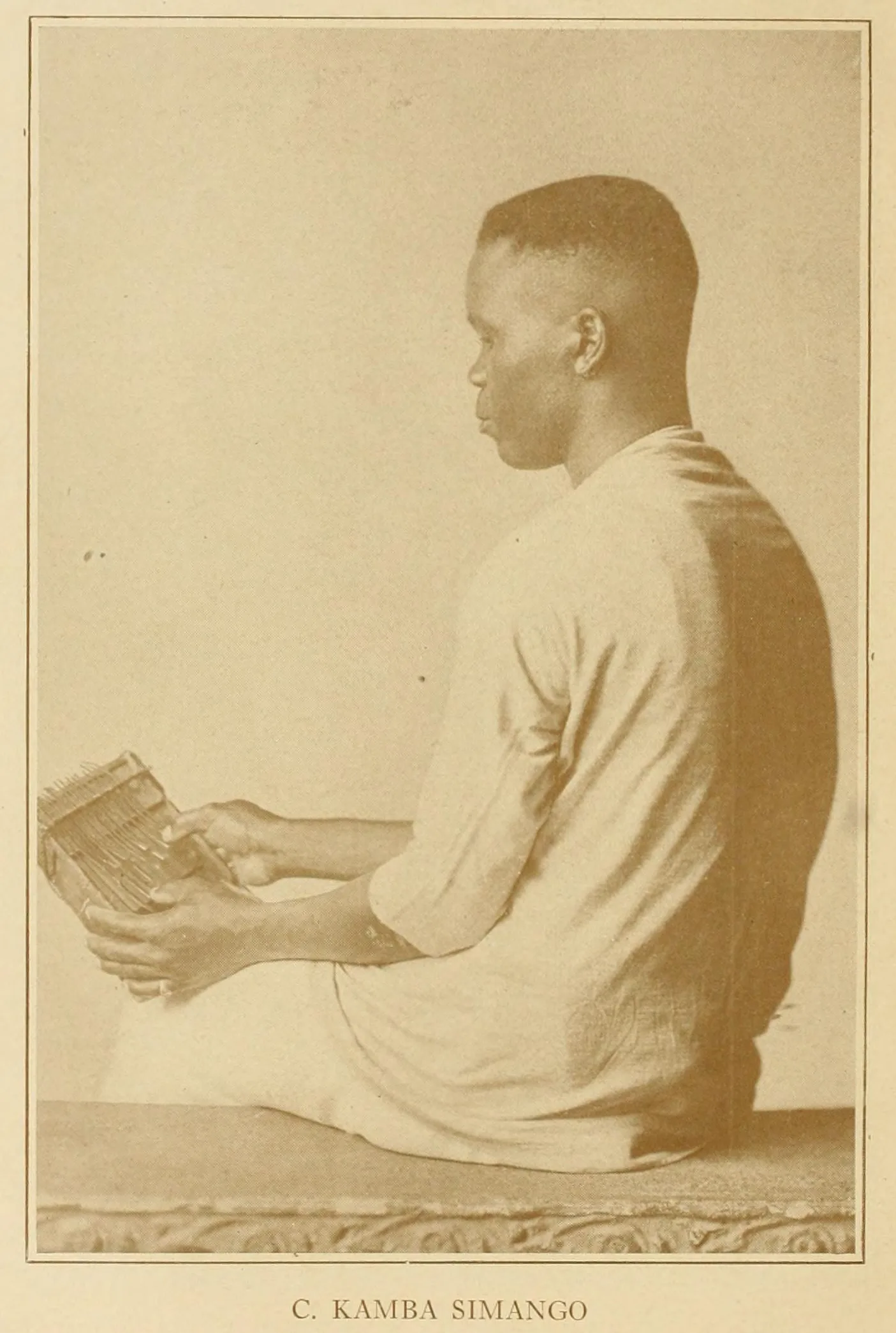
Minecraft kalimba: a tutorial for the game’s melodies
First, locate the centre tine: it guides your reading of the sheet music and the placement of your thumbs. Begin the introduction with a slow, steady pulse. This helps capture the contemplative atmosphere of the song.
Alternate your thumbs: use your left thumb for the low notes and your right thumb for the central pattern. Practise each phrase separately and repeat the sequence until the legato flows smoothly. The instructional video helps you see these precise movements.
Set a practice tempo below the final tempo, then increase it gradually with a metronome. Include brief pauses to preserve the music’s breathing and its dynamics (piano and mezzo-piano). Check regularly that C and F are tuned to C# and F#.
Read the tablature from bottom to top to see how to move between the tines and keys. Use both numbers and letters, then compare your performance with the original.
- Break the piece into short phrases and repeat them.
- Keep the F# and C# notes in tune.
- Record a complete take to improve the transitions and dynamics.
Explore a related article to vary your listening and find other sources of inspiration.
Ready-to-play kalimba sheet music and tablature
Clear formats make learning faster. Here you will find files designed to help you follow the notes and locate the tines step by step.
Easy numbered sheet music: note order and markers
Numbered sheet music shows the order in which to play the notes. Each number corresponds to a particular tine.
Benefit: it is ideal for beginners and helps you memorise the melody quickly.
Lettered sheet music: another way to read
The lettered version helps if you know note names. It is especially useful for connecting the music with the tuning (C#, F#).
Switch between numbers and letters to strengthen your ear and reading skills.
Vertical tablature: reading from bottom to top
Vertical tablature is read from bottom to top, like conventional sheet music. It shows the direction of the melody and the rhythmic placement of the notes.
Download the free PDF
Download the PDF kalimba sheet music to mark fingerings and dynamics.

| Format | Best for | Use |
|---|---|---|
| Numbers | Beginners | Note order and visual markers |
| Letters | Intermediate players | Connecting tuning with note names |
| Vertical tablature | All levels | Reading rhythm and melodic direction |
- Suggested routine: play through each notation format slowly three times, then once at the target tempo.
- Mark the tonic and dominant visually to make leaps more secure.
- Record one minute of playing to assess your accuracy and the balance between your hands.
References and inspiration: from the game to your instrument
Exploring the original sounds helps you bring the music’s intent to your instrument. Listen to the original version of Sweden, picking out its motifs, then repeat them slowly.
Active listening means noticing the pauses, gentle dynamics and short phrases. Sing the main line before playing it: this strengthens your memory and pitch accuracy.
Who is C418?
Daniel Rosenfeld, known as C418, is the soundtrack’s composer. His minimalist approach favours texture and space. Understanding this helps you choose how to strike the tines and shape their tone.
Explore other sources
Among other pieces, Lena Raine’s “Creator” offers an appealing alternative in A minor, adaptable to 17 keys with a few notable alterations.
- Compare arrangements to see how an instrument’s limits change the melody.
- Keep a listening journal with dates, impressions and technical goals.
- Set small goals: one motif a day can help establish a habit.
Finally, use sheet music and tablature as well as printed scores to connect what you hear with how you play. Return often to the original to steady the tempo and shape the song’s dynamics.
Sound and practice tips for a professional result
A clear, warm sound starts with a well-made instrument and carefully adjusted tines. Choose a 21-tine model with a well-designed resonating body for more sustain and clearer low notes.
A tuning routine helps prevent wrong notes, particularly by checking C# and F#. Check the alignment and tension of the tines after each long session.
Pay attention to your touch: keeping a consistent thumb angle reduces metallic noise and preserves a gentle tone. Play near wooden surfaces or add a rug to limit excessive reflections.
- Warm up your fingers, practise two phrases, then play the whole piece.
- Record yourself with a smartphone to document your sound and compare your hand positions.
- Clean and dry the tines after every use to extend their life.
| Action | Why | How often |
|---|---|---|
| Choose a model | Better projection and extra central low notes | Once, when buying |
| Adjust the tines | Prevents unwanted vibrations | Before every long session |
| Routine tuning | Prevents wrong notes (C#, F#) | Every week |
For dedicated scores and additional resources, consult the dedicated sheet music and fit your practice into daily life with a short, regular routine.
Conclusion
Build on what you have learned: with a well-tuned 21-tine model (C changed to C# and F to F#), Sweden becomes approachable while staying true to the spirit of the game.
Follow the method: start with numbered kalimba sheet music, move on to letters, then check your playing against the tablature and sheet music and tablature.
Practise each phrase, pay attention to the notes and dynamics, then join the phrases for a flowing performance.
Use the free PDFs to mark fingerings, record yourself and expand your repertoire with other pieces. Proper care of the kalimba tines preserves their sound quality.
Simple plan: tune → read the sheet music → practise with a metronome → record → explore other pieces → share. Ten minutes a day is enough to enrich your musical life on the thumb piano.