
Goal: this tutorial guides you step by step through playing John Williams’s famous melody on a simple, warm-sounding instrument.
You’ll get numbered and letter-note versions, a rhythmic tablature, and audio and video references to help you grasp the phrasing and harmonic character.
The guide covers 8- and 17-tine models so that beginners and intermediate players can follow the same progression: tuning, reading the notation, playing with each hand separately, then alternating hands.
PDFs containing sheet music and tablature, along with practical tools (a tuner, Tab Converter, and a dedicated microphone), make daily practice easier.
Expected result: a faithful performance with a steady tempo and clear tone, in the spirit of the saga and the musical world created by John Williams.
To view the sheet music and download the files, follow this complete resource.
Explore the Harry Potter world on kalimba and set your learning goals
This instantly recognizable theme offers a simple, expressive starting point for your first practice sessions. Composed by John Williams, it appears in the first film and becomes a musical landmark of the magical world.
Before playing, listen to the original version to identify its pauses, dynamics, and tone. These details will guide your musical expression.
Set a measurable goal: play the introduction at 60 to 70 BPM, then gradually work up to the tempo of the Harry Potter film version. Keep each note clear at every speed.
- A realistic routine: 10 to 15 minutes a day for two weeks.
- Alternate melodic patterns and rhythmic exercises with a metronome.
- Choose an instrument with 8 or 17 tines, then move from numbers to letters and tablature.
A practice journal can help: note the tempo you reach, any difficulties, and your progress each week. Record a final take to compare with the audio or video reference.
Share your progress with other musicians to get feedback. These simple instruments let you immerse yourself in the wizard’s world while developing a method you can apply to other instruments.
Prepare your kalimba before playing Hedwig’s Theme
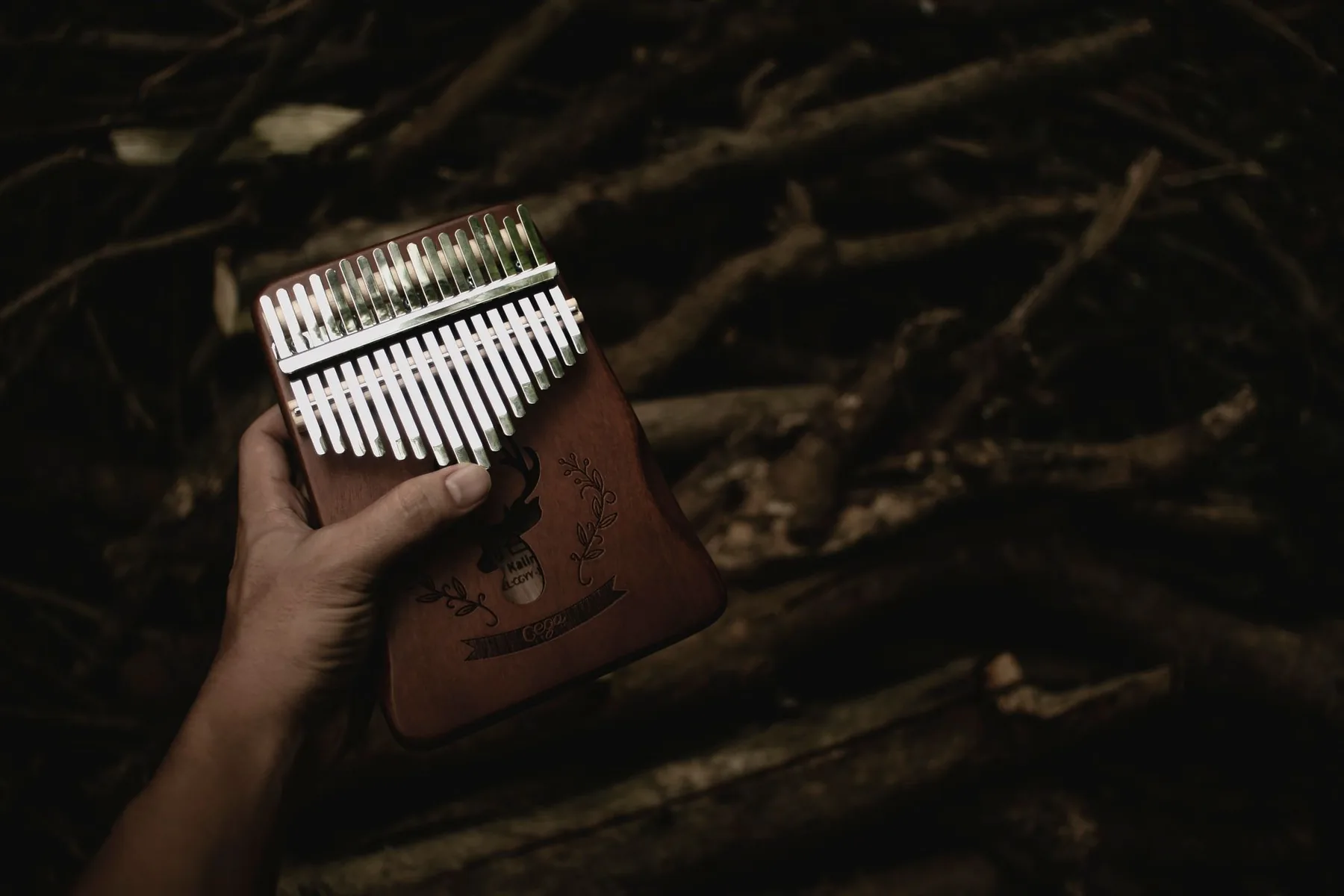
A quick check of your instrument prevents distracting tuning problems. Before playing, check that the tines are aligned and do not move excessively. A securely attached soundboard ensures good sound transmission and a consistent touch.
Tune your instrument: sound each tine and compare its pitch with the reading on a tuner. Adjust it by pushing or pulling it slightly until the pitch is stable. Correct any out-of-tune notes before working on the rhythm.
Read sheet music and tablature: common systems use numbers or letter names (C, D, E, F, G, A, B). In tablature, look for rests, dots that extend a note’s duration, and dots above a number, which indicate the higher octave.
- Notes in parentheses, such as (135): play them together as a chord or glissando.
- Work gradually: read without your instrument, then play slowly with a metronome.
- Useful tools: an online tuner, Tab Converter, and Tab Maker.
| Check | Action | Recommended tool |
|---|---|---|
| Tine alignment | Check and tighten the mounting hardware | Screwdriver and mounting screws |
| Note tuning | Push or pull the tine until it reaches the correct pitch | Tuner or app |
| Reading the score | Identify numbers, letters, rests, and dots | Tab Converter or PDF |
For a version suited to smaller instruments, see the 8-tine sheet music. Finally, record a 30-second trial to check the balance between your left and right hands and the clarity of the thumb piano.
Harry Potter kalimba: learn the main theme step by step
Start by dividing the score into short phrases so you can progress with accuracy and expression.
17-tine version in numbers: kalimba sheet music faithful to the film
17-tine version in numbers: practice the phrases with each hand separately, then alternate hands. Gently emphasize the key notes to bring out the melody’s phrasing. Repeat two-bar passages, play slowly with a metronome, and gradually increase the tempo.
17-tine version in letters: letter notation for fans
The letter-note version uses the same fingering. It helps players familiar with other instruments quickly identify octaves and the dots above notes. Mark octave changes so you do not lose the singing melodic line.
8-tine adaptation: the essential melody for smaller instruments
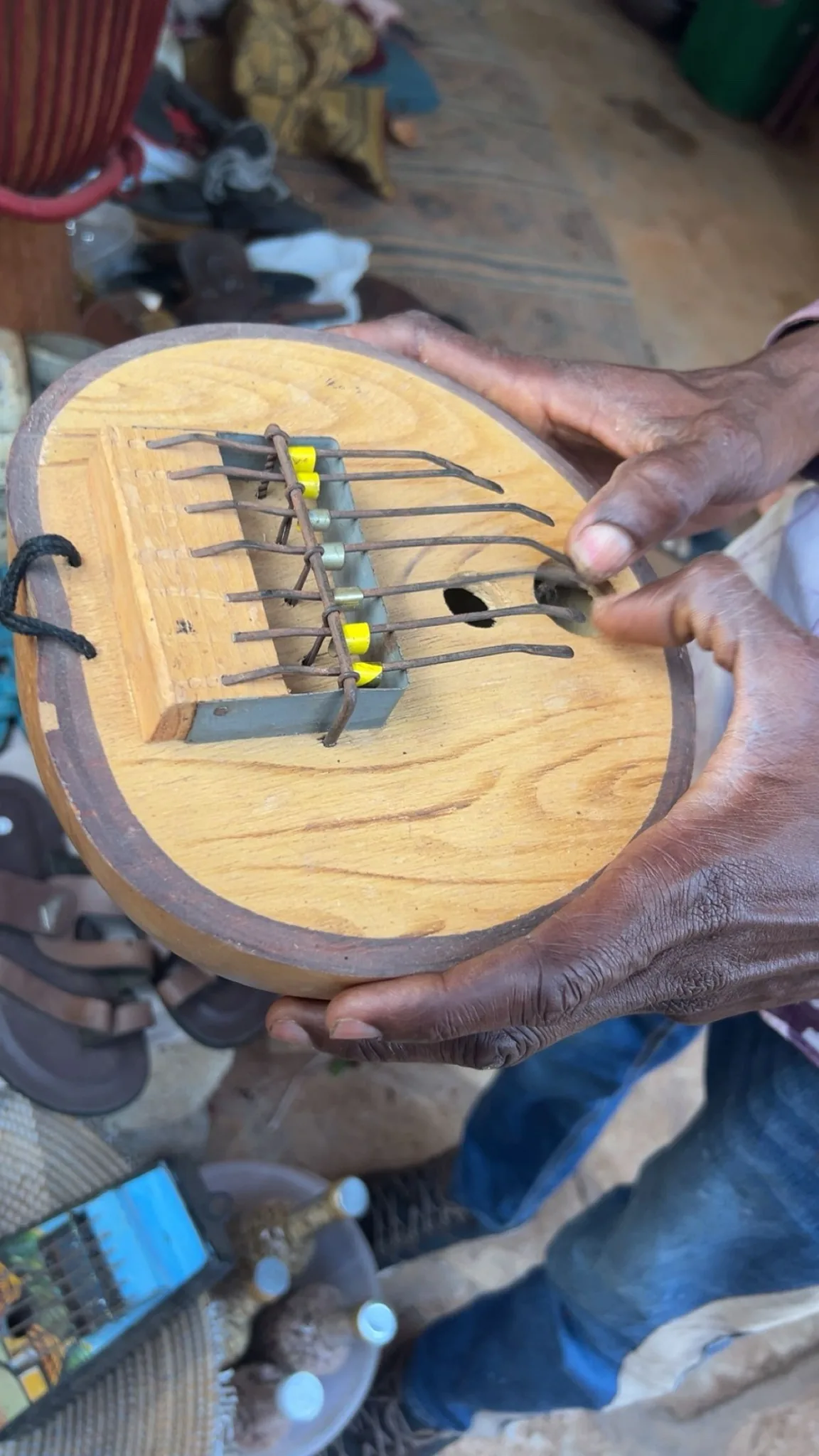
On an 8-tine kalimba, simplify the intervals and adjust the octave. Preserve the essential melody so the tune remains recognizable even with fewer notes available.
Detailed tablature: rests, duration dots, and rhythm
The tablature shows where to place rests and how to observe dots that extend notes. Mark the pauses and avoid rushing the ends of phrases to preserve the musical expression.
Audio and video references: listen to John Williams’s original theme
To refine your phrasing and dynamics, regularly compare your playing with the reference video. Download the 17-tine sheet music and the accompanying PDFs to practice offline.
- Practice plan: two-bar passages → slow metronome → gradual tempo increases.
- Listening cues: notice octave leaps and rhythmic delays.
- Tone tips: play near the ends of the tines and minimize unwanted noise.
Go further: tone, recording, and tools for improvement
Moving to a more versatile instrument opens up harmonic and dynamic possibilities. A 17-tine model has a wider range and offers intervals that let you play the melody more faithfully.
Effect on your performance: clearer attacks, smoother transitions, and more precise dynamics. You gain expression and control over the thumb piano.
Recording and sharing
Use a dedicated microphone to document your progress. Place it a few centimeters above the tines and set the recording level around -12 dBFS to leave some dynamic headroom.
“A good recording lets you compare takes and correct your rhythm and intonation.”
Practical tools
- A tuner to check your pitch.
- Tab Converter and Tab Maker to adapt your sheet music.
- Download sheet music PDFs and follow instructional videos.
- Follow a routine: make one recording to assess your playing, devote one session to rests, and another to speed.
Final tip: build an audio library of 8- and 17-tine versions, the original recording, and polished performances, then share your takes to get specific feedback.
Conclusion
This gradual method turns notes into a story. By following the steps, you can play the saga’s iconic tune with clear sheet music and tablature while respecting its rests and phrasing.
Tuning and reading the symbols remain essential for a clear sound, even at a slow tempo. Listen to the original version and record yourself to measure your progress.
Both 8- and 17-tine instruments can evoke this world; a 17-tine model makes wider passages easier. Keep your 17-tine sheet music PDFs, annotate the fingerings, and plan focused sessions.
Share your takes with fans and the community, then return to the score: pick up your instrument, start the first bar, and let the magic unfold, bar by bar.